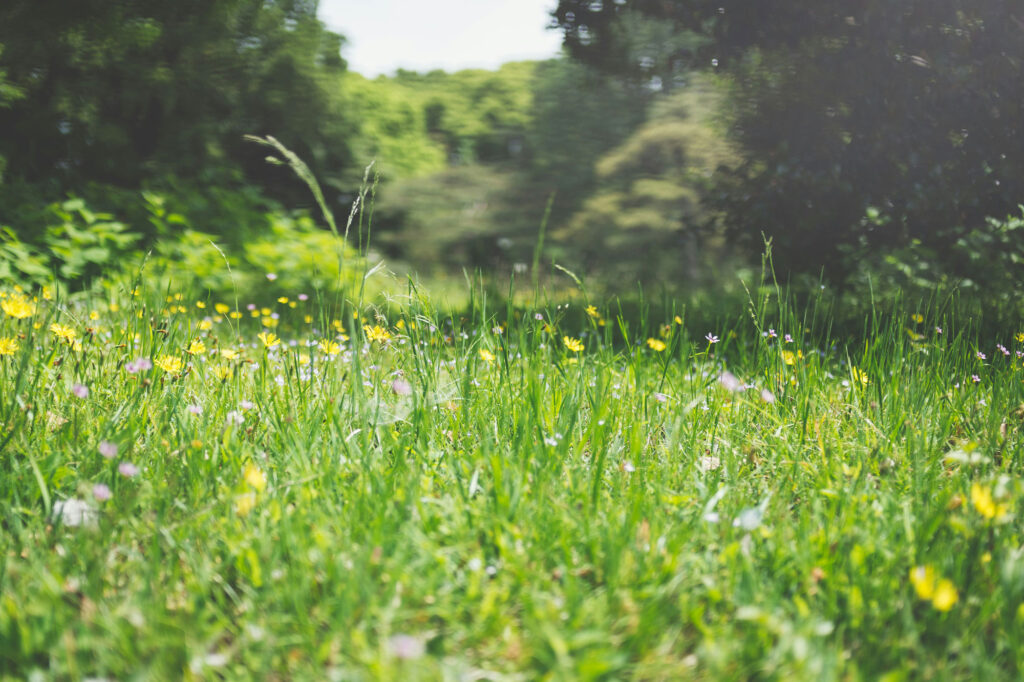
A Return To Real Gardens
That belief is what brought Paul and Claire together to create Root & Bloom. For years, through their work with The Tidy Garden and Plantittude, they’ve helped local homeowners transform outdoor spaces. They’ve seen trends come and go. They’ve laid patios, installed features, and worked in gardens of every shape and size. But over time, something started to feel… off. Too many gardens were becoming formulaic. Too many spaces were being stripped back and rebuilt with the same ingredients: sleepers, slabs, and artificial grass. Clean lines, yes. Low maintenance, perhaps. But often missing the very thing that makes a garden worth having in the first place. Life.
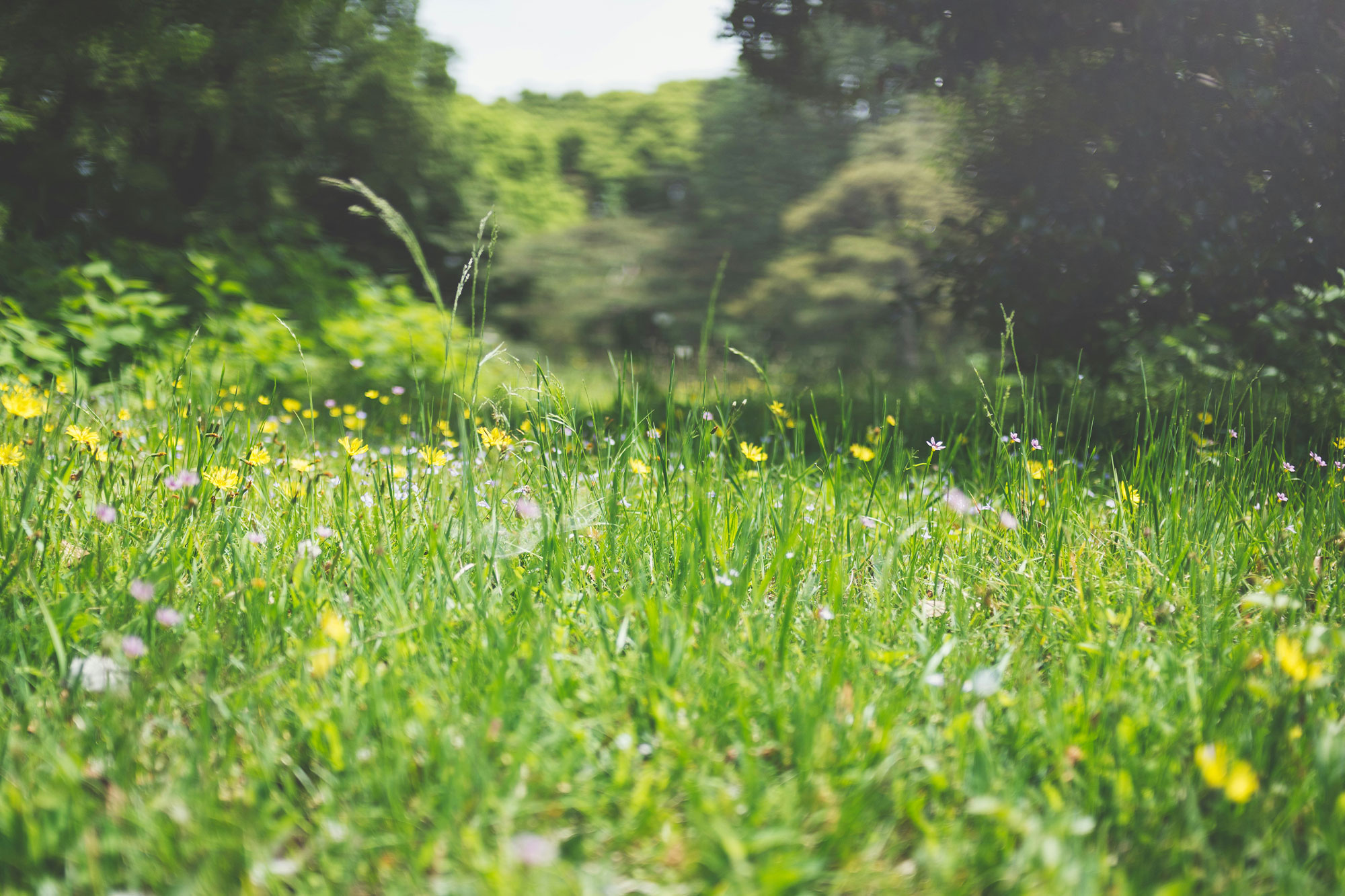
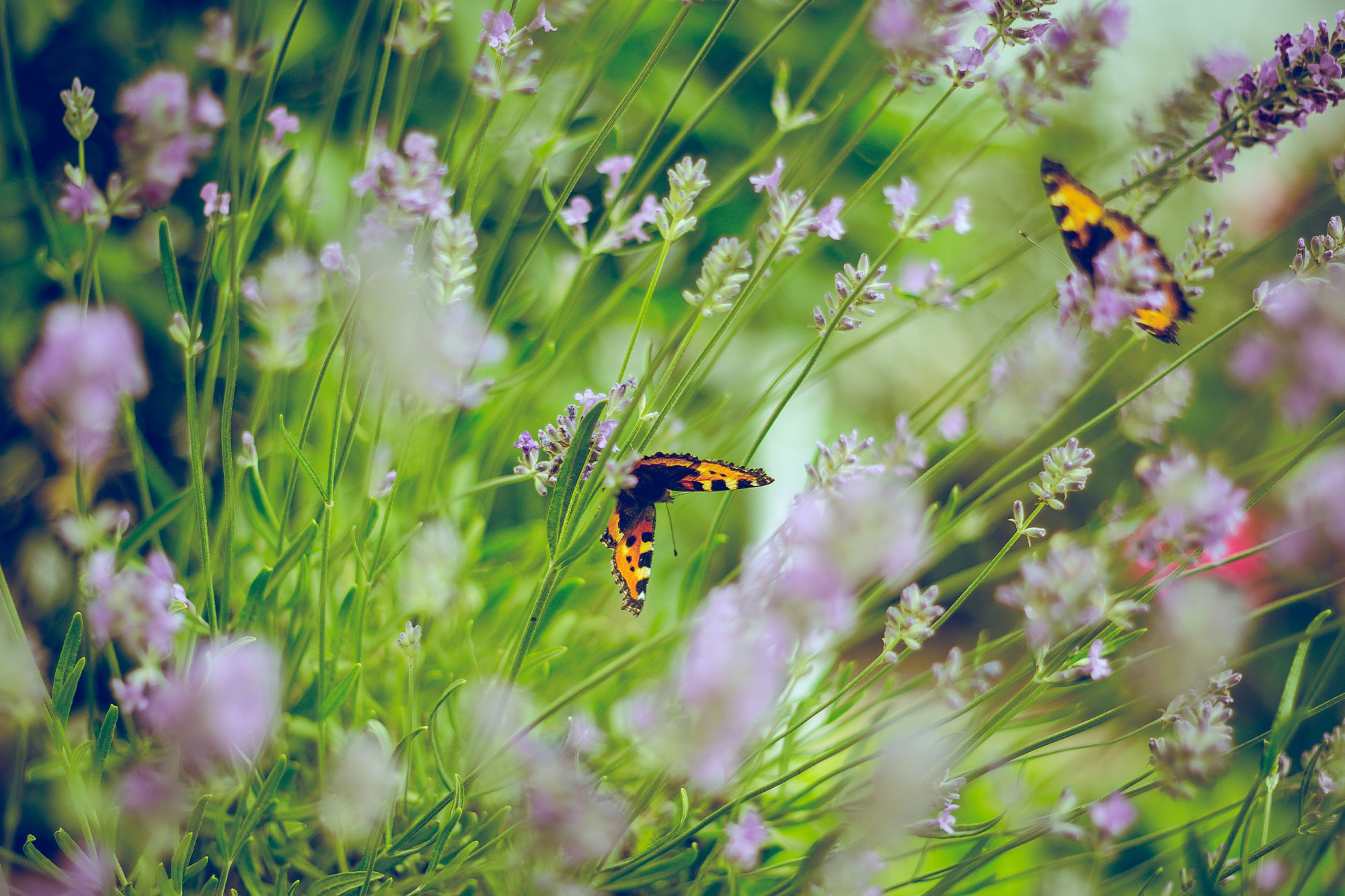
Root & Bloom was born from a shared desire to do things differently. Not radically. Not disruptively. Just… more thoughtfully. At its heart, Root & Bloom is about returning to traditional planting. The kind that evolves with the seasons. The kind that welcomes bees, birds, and all the small, unseen characters that turn a garden into an ecosystem rather than a showroom.It’s about softening spaces rather than hardening them. Instead of defaulting to paving over potential, Paul and Claire focus on planting schemes that bring structure and beauty without losing that slightly wild, natural feel. Borders that change through the year. Lawns that are allowed to breathe. Corners that don’t need to be “perfect” to be beautiful.
This isn’t about rejecting modern design. It’s about rebalancing it. There’s still a place for patios. Still a place for seating areas and practical solutions. But they shouldn’t dominate the story. They should support it. The real story is in the planting. In the first shoots of spring pushing through. In the buzz of summer afternoons. In the fading tones of autumn and the quiet structure of winter. Root & Bloom exists to help residents rediscover that kind of garden. A garden that doesn’t just look good on day one, but continues to grow, shift, and surprise. A space that feels connected to nature rather than separate from it. Because in the end, a garden shouldn’t feel like an installation. It should feel like something you’re part of.