Claire – Bluebells – Key differences
Spanish Bluebells vs. English Bluebells: Understanding the Key Differences
When it comes to spring blooms, few flowers capture the essence of the season quite like bluebells. Their bell shaped flowers, vibrant blue hues, and delicate fragrance make them a garden favorite, but did you know there are two distinct species of bluebells commonly seen in gardens and woodlands? The Spanish bluebell (Hyacinthoides hispanica) and the English bluebell (Hyacinthoides non-scripta) are often confused with one another, but they have several notable differences that can help you tell them apart.
- Origin and Habitat
English Bluebells:
- Native to the UK and parts of western Europe, English bluebells are the iconic flower that carpets woodlands during the spring months.
- They thrive in well drained, moist soil and are often found in shaded or partially shaded areas, such as woodland clearings or along the edges of forests.
Spanish Bluebells:
- Spanish bluebells are native to the Iberian Peninsula (Spain and Portugal) and have since spread to many other parts of Europe.
- These bluebells are more adaptable to a range of conditions and can be found in gardens, woodlands, and meadows, often thriving in full sun to partial shade.
- Flower Structure and Colour
English Bluebells:
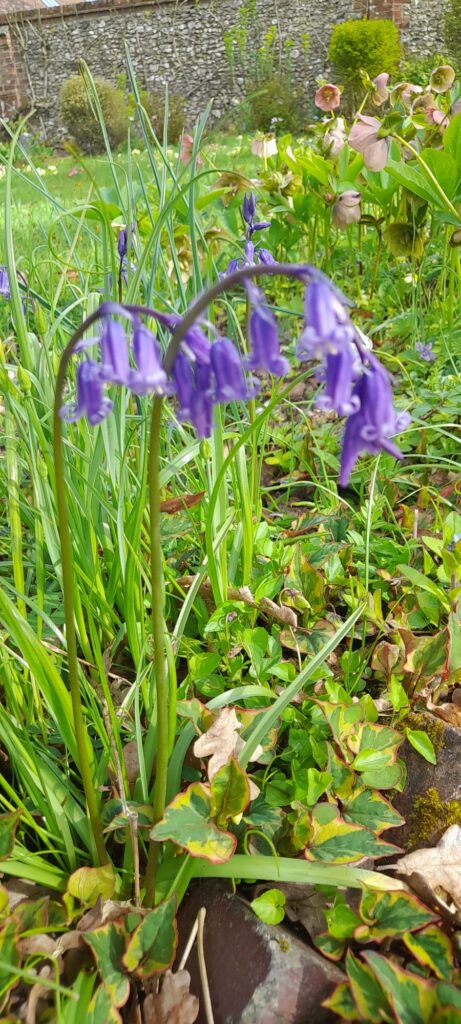
- Color: Typically a softer, deeper blue with a subtle lavender tint. While they can occasionally come in white or pink forms, the classic blue is most common.
- Shape: The flowers are bell shaped and droop gracefully to one side. They form a dense, upright cluster.
- Fragrance: English bluebells are famous for their lovely, sweet scent, which fills the air during springtime.
Spanish Bluebells:
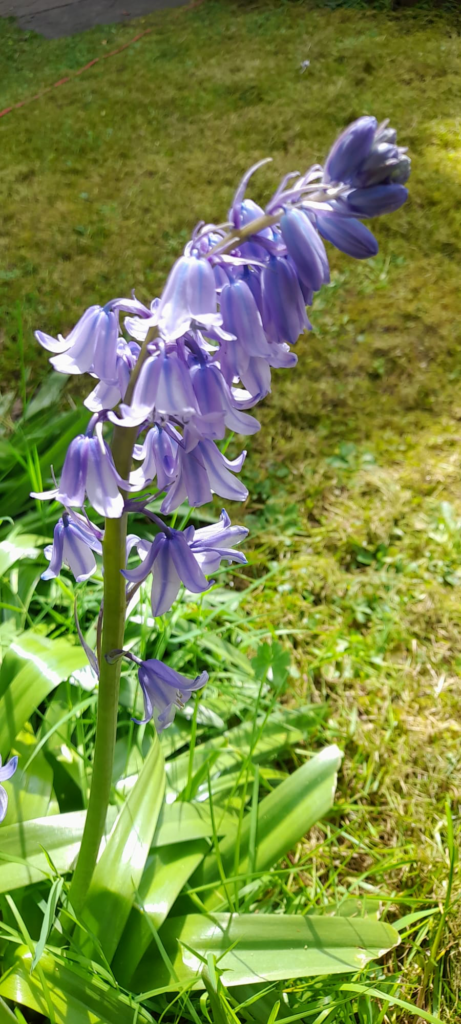
- Color: Spanish bluebells can range from a pale blue to a much stronger, almost lilac hue. They also often appear in white, pink, or purple varieties.
- Shape: The flowers are larger and more robust than the English variety. They tend to grow in more open clusters, with a looser, more upright arrangement.
- Fragrance: Unlike English bluebells, Spanish bluebells lack the strong fragrance that is characteristic of their British cousins.
- Foliage and Growth Habit
English Bluebells:
- Foliage: The leaves of English bluebells are narrow, sword like, and tend to form a lush carpet around the flowers. The leaves often appear before the flowers, creating a graceful, verdant backdrop.
- Growth Habit: English bluebells grow to a height of about 30-45 cm and form a more compact, ground hugging shape.
Spanish Bluebells:
- Foliage: The leaves of Spanish bluebells are broader, thicker, and generally have a more upright, spiky appearance compared to English bluebells. They are more rigid in structure.
- Growth Habit: Spanish bluebells are taller, often reaching up to 50-60 cm, and they grow in more upright clumps. They can also spread more aggressively than English bluebells.
- Pollination and Seeds
English Bluebells:
- Pollination: English bluebells are primarily pollinated by bees. Their long, tubular flowers make it easier for these pollinators to gather nectar, and in return, they spread the bluebell’s pollen.
- Seeds: English bluebells produce small, glossy seeds that are spread by the wind or through the movement of animals.
Spanish Bluebells:
- Pollination: While Spanish bluebells also attract bees, they are more likely to be self pollinating, which may explain why they can be more invasive.
- Seeds: Spanish bluebells produce seeds that tend to be more vigorous and can spread rapidly, often leading to the plant becoming invasive in non native areas.
- Invasiveness and Garden Impact
English Bluebells:
- English bluebells are generally slow to spread and maintain their place in a garden or woodland once established. They tend to stay in their designated spot, making them perfect for naturalistic, traditional gardens.
Spanish Bluebells:
- Unfortunately, Spanish bluebells have gained a reputation for being invasive, particularly in the UK, where they sometimes hybridize with native bluebells. This hybridization can threaten the purity of the native English bluebell population, as the Spanish variety tends to be more aggressive in spreading, outcompeting native species.
- Conservation and Legal Concerns
English Bluebells:
- English bluebells are protected in the UK under the Wildlife and Countryside Act of 1981. It’s illegal to uproot or sell them from the wild, and conservationists encourage gardeners to choose native varieties to help preserve them.
Spanish Bluebells:
- While not protected in the UK, Spanish bluebells are often discouraged for planting in the wild due to their invasive nature. Gardeners are encouraged to buy bluebells from reputable sources to avoid unintentionally spreading Spanish bluebells into local woodlands.
- Which Bluebell Should You Choose?
When deciding which type of bluebell to plant in your garden, it’s important to consider your goals and the local environment:
- If you are looking for a classic woodland charm with fragrant blooms and a natural feel, English bluebells are the way to go. They are perfect for creating a serene, native garden or for naturalizing in shady areas.
- However, if you need a more resilient, versatile plant that can handle sun and partial shade, or if you’re seeking a more dramatic display with larger flowers, Spanish bluebells might be the right choice though you should be mindful of their spreading nature.
If you’re passionate about preserving native species, especially in regions where English bluebells are at risk, it’s always best to opt for the native bluebell to help protect these beloved blooms.
Conclusion
Both Spanish and English bluebells are beautiful springtime flowers, but their differences in flower shape, color, growth habit, and impact on local ecosystems set them apart. By understanding these distinctions, you can make a more informed decision when choosing bluebells for your garden, ensuring that you’re not only enhancing your landscape but also contributing to the preservation of native plant species.
Whether you’re planting them in your garden, creating a springtime woodland display, or simply admiring their beauty in nature, both types of bluebells have a lot to offer just be sure to know which one you’re inviting into your space!
Claire Brooks.